← Back to FemPal

FemPal Women’s Care

A gentle guide to period health, cycle care, and everyday wellness.

Your period is part of a monthly hormonal cycle that prepares the body for a possible pregnancy. Learning what is normal for your body can help you feel more prepared, notice changes earlier, and know when it is time to speak with a healthcare professional.

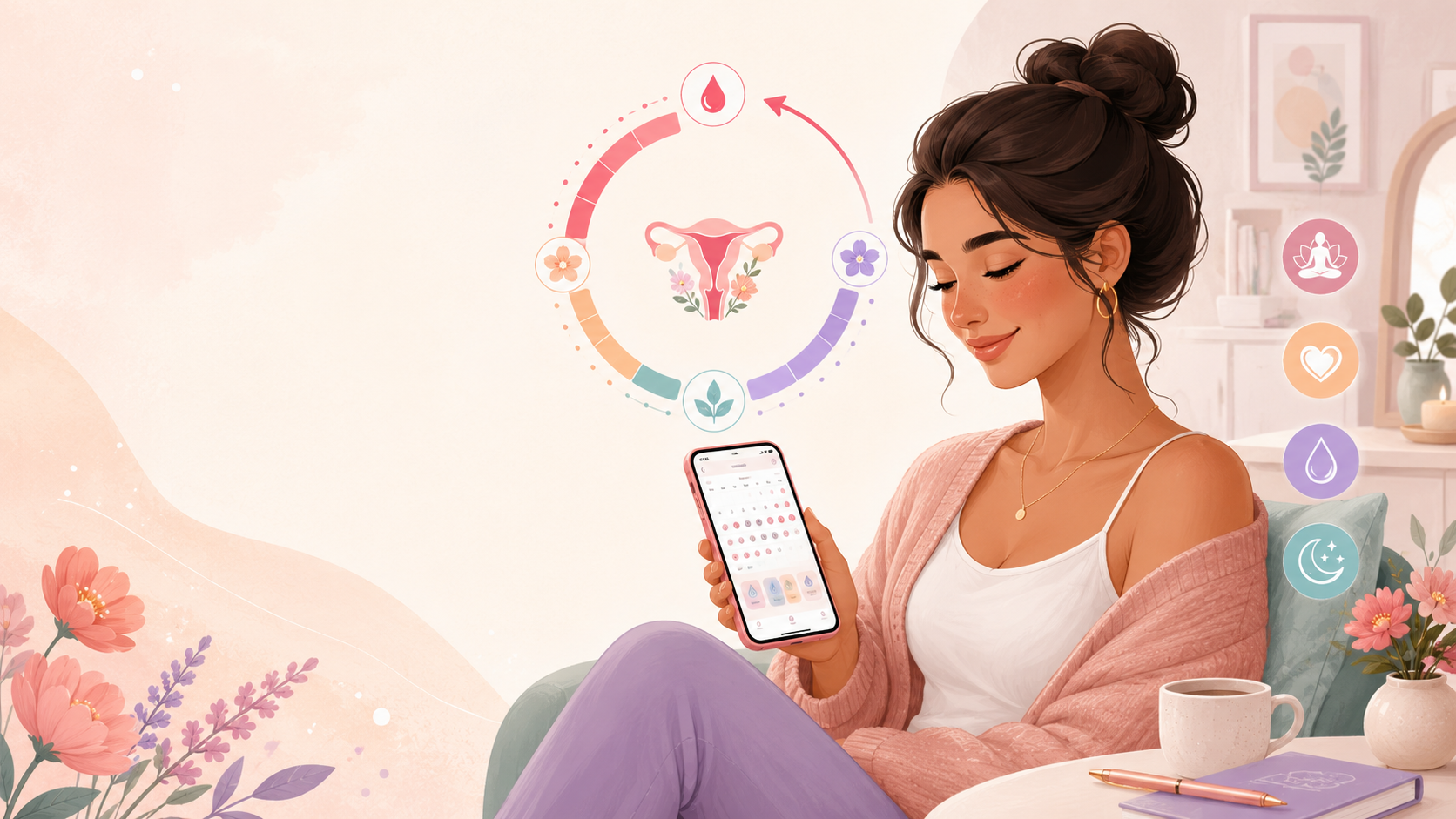
Woman using a period tracking app

Track your cycle

Log period dates, flow, symptoms, moods, cravings, and pain levels so you can understand your personal pattern.

Care for your body

Use food, rest, hydration, movement, heat, and gentle routines to support yourself before, during, and after your period.

Know the red flags

Heavy bleeding, severe pain, bleeding between periods, or sudden cycle changes are signs to speak with a doctor.

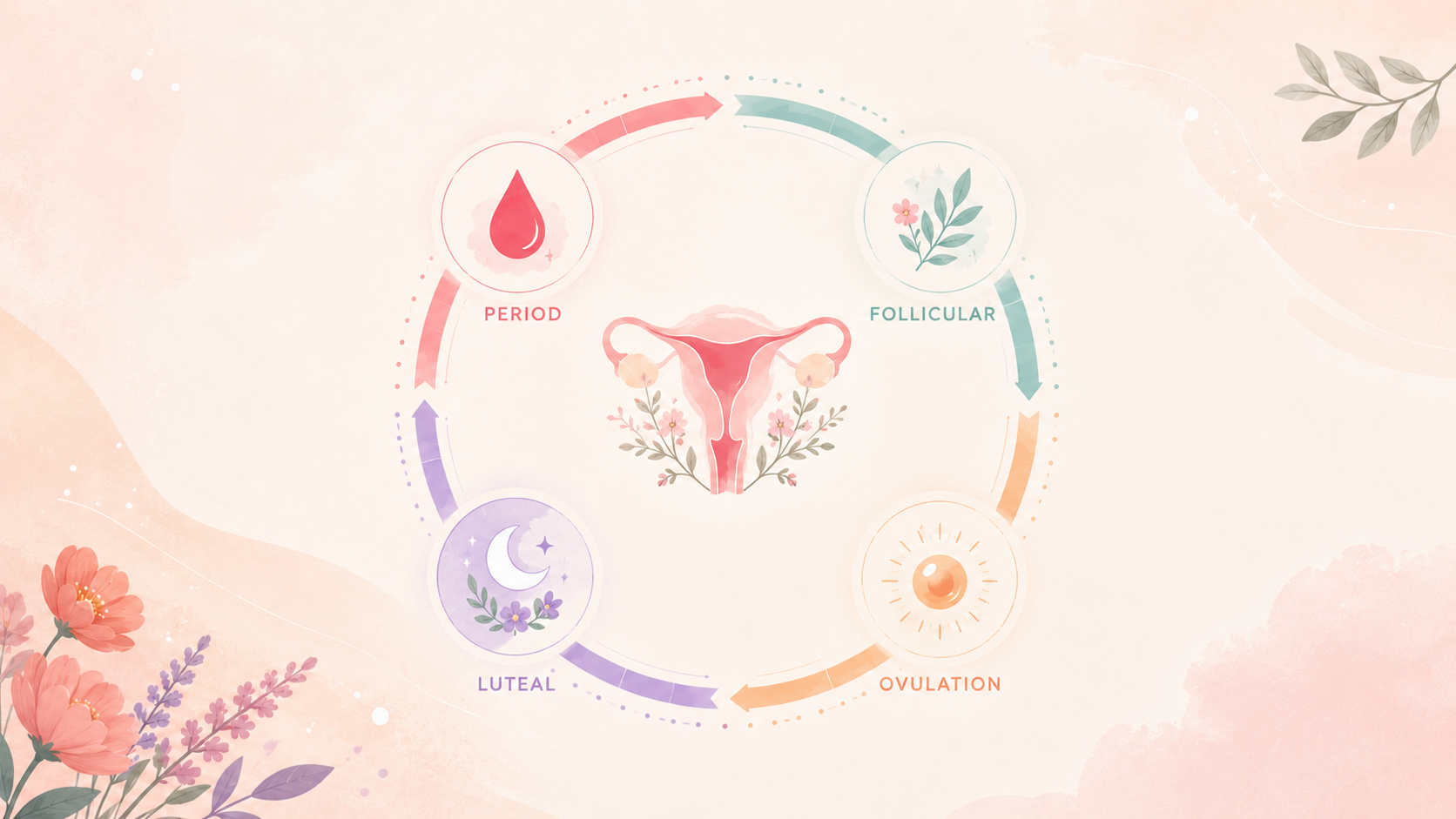
Illustration of menstrual cycle phases

Understanding your period

What is a period?

A period, also called menstruation, is vaginal bleeding that happens when the uterus sheds its lining. This lining builds during the cycle in case pregnancy happens. If pregnancy does not happen, hormone levels drop and the lining leaves the body.

Periods can look different from person to person. Some people have light flow and mild symptoms. Others have stronger cramps, fatigue, cravings, mood changes, headaches, acne, bloating, or breast tenderness. What matters most is knowing your own normal and paying attention when something changes.

Cycle tracking can help you notice patterns, prepare for your next period, understand PMS symptoms, and describe changes more clearly if you need medical care.

Cycle phases

How the menstrual cycle works

The menstrual cycle is guided by hormones. A cycle is counted from the first day of bleeding to the day before the next period starts. Many cycles fall within a normal range, but your personal pattern is the most useful thing to track.

🌸

Menstrual phase

This is when bleeding happens. The uterine lining leaves the body through the vagina because pregnancy did not happen in that cycle.

🌸

Follicular phase

The body begins preparing an egg. Estrogen rises and the uterine lining starts building again.

🌸

Ovulation

An egg is released from an ovary. Some people notice clearer discharge, mild one-sided pelvic pain, or increased energy.

🌸

Luteal phase

Progesterone rises after ovulation. If pregnancy does not happen, hormone levels fall and the next period begins.

Before, during, and after

Care for each part of your period

Period care is not only about the days you bleed. Your body can feel different before, during, and after your period. Gentle routines can make the experience easier and help you feel more in control.

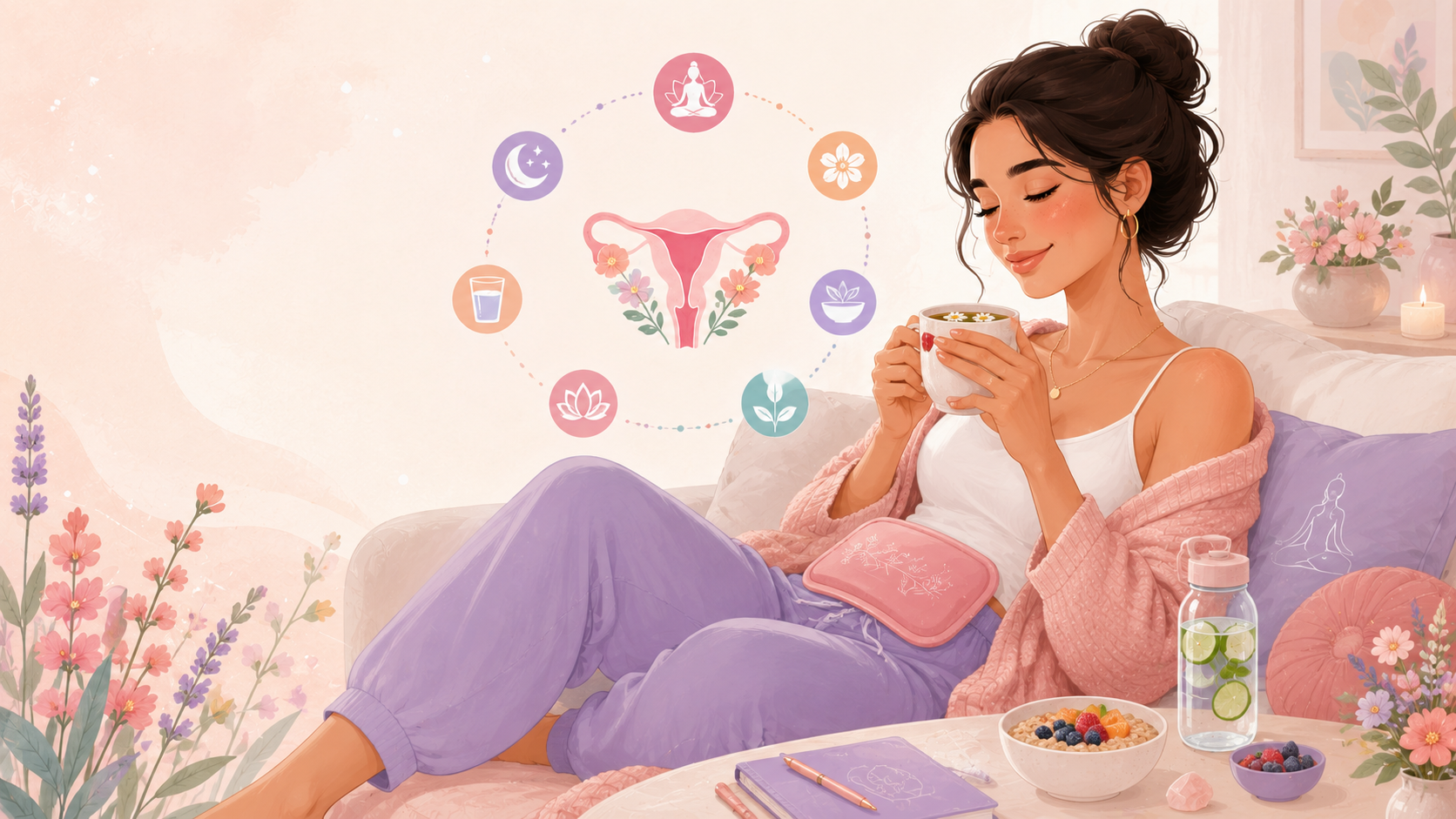
Woman resting with tea and wellness icons
Before your period

Before your period

In the days before your period, hormone changes may cause bloating, breast tenderness, mood changes, food cravings, headaches, acne, tiredness, or trouble sleeping. Support your body with gentle movement, hydration, iron-rich meals, magnesium-rich foods, and consistent rest.

During your period

During your period

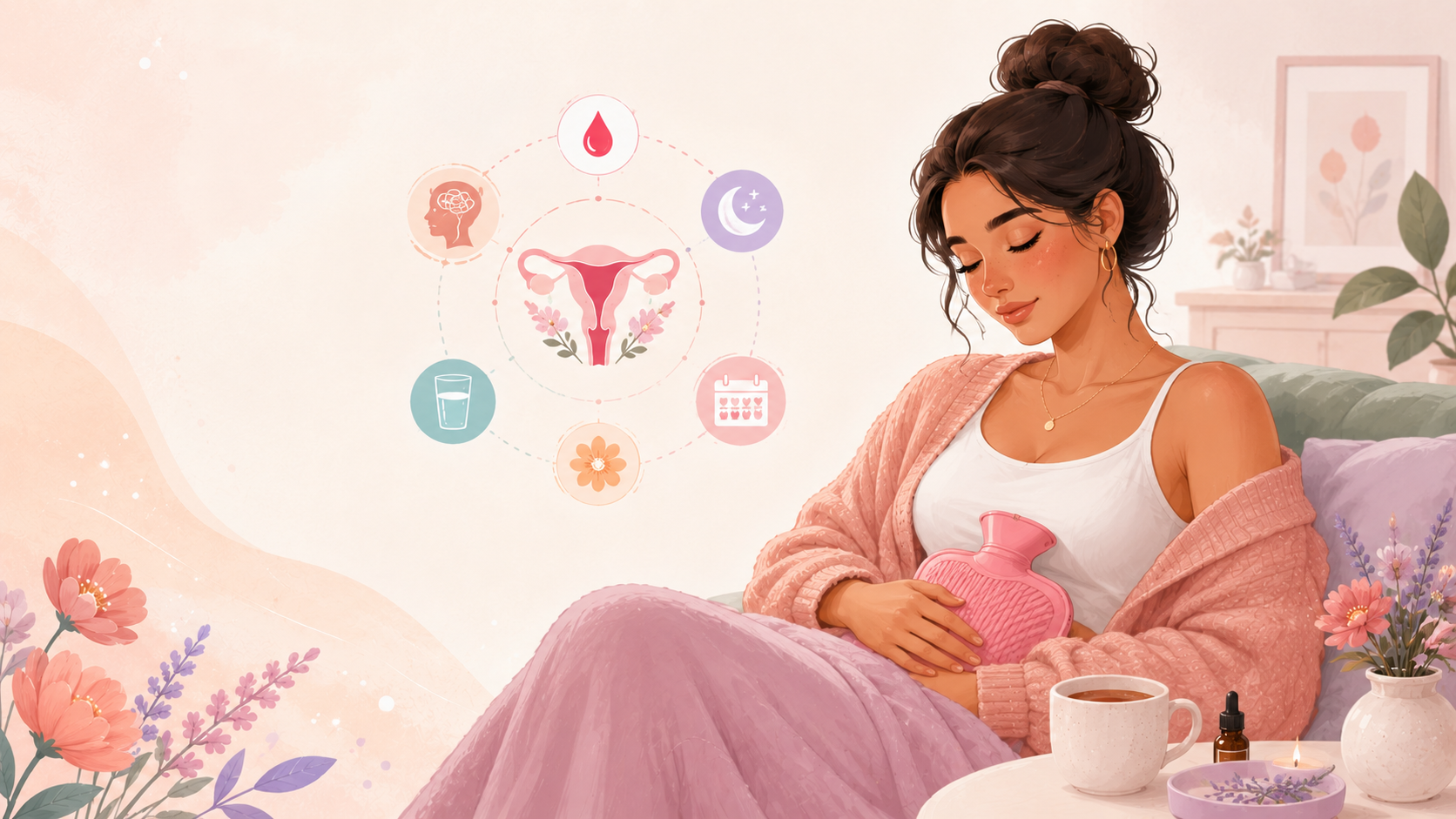
During menstruation, the uterus sheds its lining. Mild cramps and fatigue can happen, but pain should not stop you from doing normal activities. Use heat therapy, drink water, choose comfortable period products, eat balanced meals, and rest when your body asks for it.

After your period

After your period

After bleeding ends, many people feel more energy as the body moves into the follicular phase. This is a good time to rebuild with nourishing meals, light exercise, hydration, and cycle tracking so you can understand your body’s normal pattern.

Food and hydration

Foods that can support period wellness

Food cannot “cure” all period symptoms, but balanced meals can support energy, hydration, digestion, and general comfort throughout the cycle.

Iron-rich foods

Leafy greens, beans, lentils, eggs, fish, chicken, lean meats, tofu, and fortified grains can help support iron levels, especially if your flow is heavy.

Magnesium-rich foods

Pumpkin seeds, almonds, dark chocolate, spinach, avocado, bananas, and whole grains may support muscle relaxation and general wellness.

Hydrating foods

Water, herbal tea, cucumber, watermelon, oranges, berries, soups, and coconut water can help with hydration and bloating.

Anti-inflammatory choices

Salmon, sardines, olive oil, nuts, seeds, berries, leafy greens, ginger, and turmeric can be part of a balanced period-care routine.

Comforting balanced meals

Warm bowls with rice, quinoa, vegetables, protein, and healthy fats can help keep energy steady during your cycle.

Foods to limit if they worsen symptoms

Some people feel better with less caffeine, alcohol, very salty foods, and high-sugar snacks during PMS or period days.

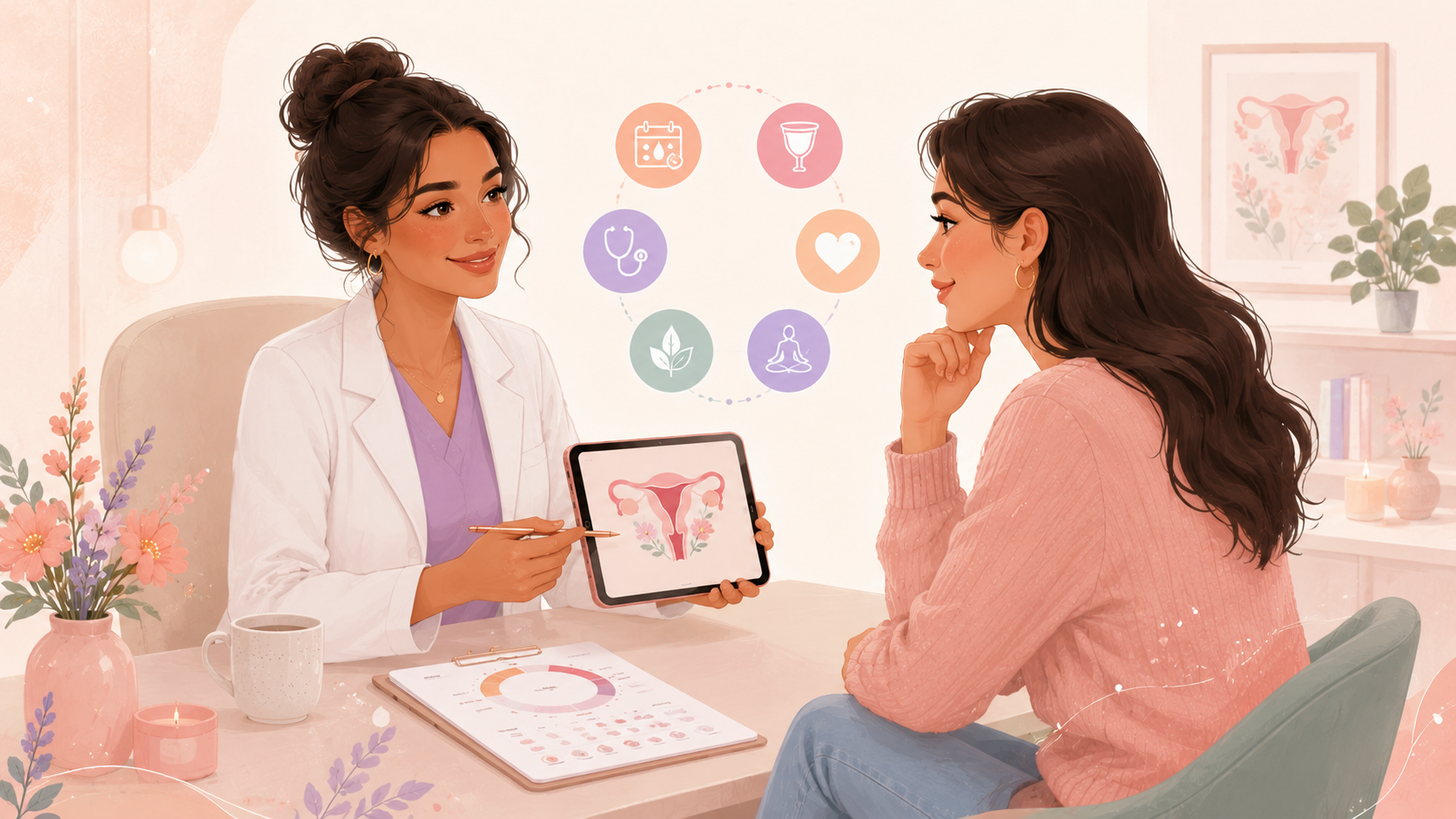
Doctor explaining women's health and cycle care

Women’s care

Caring for your body beyond your period

Women’s care includes menstrual health, sexual health, emotional wellness, sleep, nutrition, movement, hygiene, and regular health checks. Your cycle can give useful clues about your body, but it should never be your only health signal.

Use FemPal or a journal to track your period date, flow level, cramps, mood, headaches, cravings, discharge changes, sleep, and anything that feels unusual. Bring that information to your doctor if symptoms are new, severe, or changing.

Gentle care can include warm compresses, light stretching, walking, rest, clean period products, breathable underwear, hydration, and asking for support when symptoms affect daily life.
Abnormal signs

When to visit a doctor

Periods can vary, but some symptoms deserve medical attention. Seek urgent help if bleeding is extremely heavy, you feel faint, or you have severe pain with concerning symptoms.

!

Bleeding that soaks through one or more pads or tampons every hour.

!

Bleeding that lasts longer than 7 days.

!

Periods that suddenly become much heavier, more painful, or very irregular.

!

Bleeding between periods or after sex.

!

Severe cramps that stop you from school, work, sleep, or normal daily activities.

!

Dizziness, fainting, chest pain, shortness of breath, or weakness during heavy bleeding.

!

No period for 3 months or more when you are not pregnant, breastfeeding, or using a method known to stop periods.

!

New pelvic pain, pain when peeing, pain when having sex, or unusual discharge.

Gentle reminder

Your symptoms are worth listening to.

You should not have to ignore severe pain, very heavy bleeding, or symptoms that affect your life. Tracking gives you information, but a qualified healthcare professional can help you understand what is happening and what options may help.

Woman resting with a hot water bottle during period care

Medical note

This page is for education and general wellness support only. It is not a diagnosis or a substitute for medical advice. If you are worried about your symptoms, speak with a qualified healthcare professional.